
Alston Brewery Equipment Brewhouse Effiency
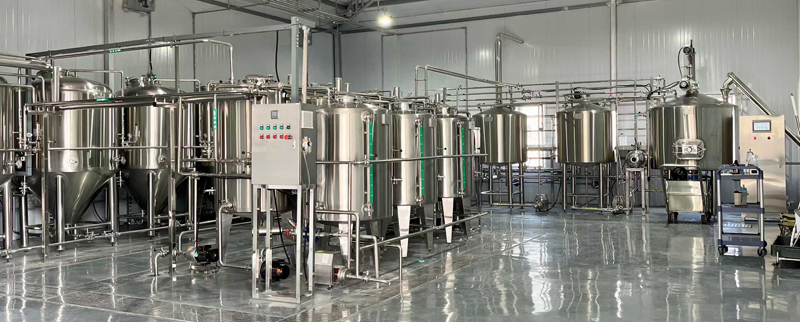
Improving brewhouse efficiency is one of the most effective ways for a microbrewery to increase production output, reduce raw material waste, and improve overall profitability. With well-designed Alston micro brewery equipment, brewers can achieve higher extraction rates, better process control, and more consistent beer quality.
Below are practical and proven tips to help you optimize your brewhouse performance using professional brew house equipment.
1. Calculate and Monitor Mashing Efficiency
Tracking mashing efficiency is the foundation of brewhouse optimization. By calculating your actual yield and comparing it with your target yield, you can clearly identify inefficiencies in the brewing process.
Modern micro brewing equipment from Alston allows brewers to monitor parameters such as extract yield, lautering speed, and wort clarity, helping you fine-tune each batch for maximum efficiency.
2. Reduce Water Losses in the Brewhouse
Water losses during mashing and lautering can significantly lower brewhouse efficiency. To minimize losses:
Ensure all brew house equipment connections and valves are properly sealed
Use a wort recirculation system to recover extract from the grain bed
Optimize lautering in the mash lauter tun to improve wort recovery
Alston’s brewhouse systems are designed to reduce dead zones and maximize wort yield, helping breweries save both water and raw materials.
3. Maintain Consistent Mash Temperature
Stable mash temperature is critical for enzyme activity and sugar extraction. Temperature fluctuations can reduce extract efficiency and affect beer consistency.
Using a high-quality mash lauter tun, combined with precise temperature monitoring and automatic control, ensures uniform heat distribution throughout the mash, improving brewhouse efficiency batch after batch.
4. Optimize Milling Size of Malted Grains
The milling size of malt has a direct impact on brewhouse performance.
Finer milling improves sugar extraction
Overly fine grist may cause slow flow rates or lautering issues
By experimenting with different milling sizes and matching them to your micro brewing equipment, you can find the optimal balance between extraction efficiency and smooth lautering in the mash lauter tun.
5. Improve Cleaning and Sanitation Processes
Efficient brewing depends on clean and well-maintained equipment. Poor cleaning can lead to blockages, heat transfer issues, and inconsistent results.
Implement a strict CIP (Clean-In-Place) routine to keep your brewing equipment in top condition. Alston systems are designed for easy cleaning, helping breweries reduce downtime and maintain stable brewhouse efficiency.
6. Invest in High-Quality Alston Brewing Equipment
The quality of your brewing equipment plays a key role in brewhouse efficiency. Upgrading core components such as:
Mash lauter tun
Wort kettle
Complete brewhouse systems can significantly improve extraction rates, process stability, and long-term operating costs.
Alston provides customized micro brewery equipment solutions tailored to craft and microbreweries worldwide. Our experienced team is always ready to help you optimize your brewhouse design and brewing performance.
Post time: Jan-25-2026